Friday, April 27, 2012


Seasonal Fruits and Vegetables
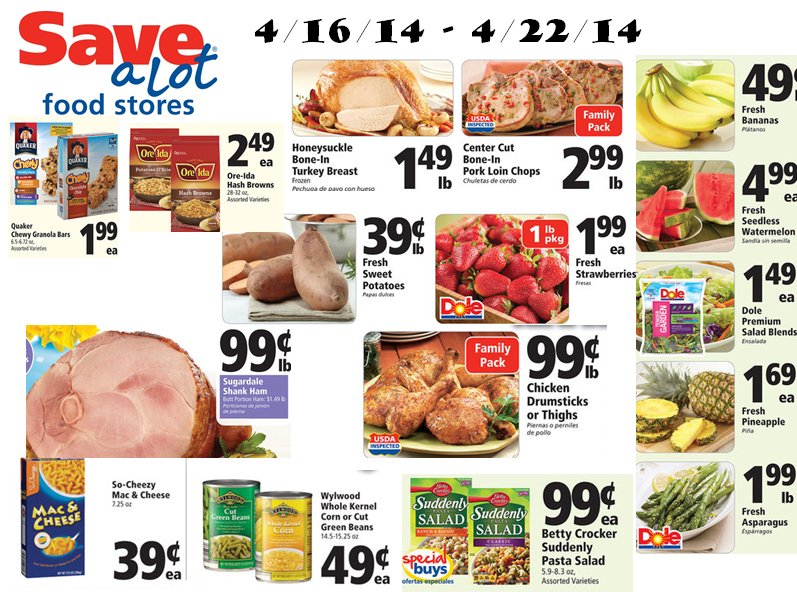
Eating fruits and vegetables that are in season is a great way to save money at the store and also a great opportunity to by fresh, local foods. Buying fruits and vegetables that are out of season usually means they were grown in a different part of the country or world and were harvested, stored and then shipped hundreds of miles to your grocery store. This means you are more than likely receiving them past their prime and paying a lot more for them.
In-season fruits and vegetables for April and May are:


Apricots
Artichokes
Asparagus
Barbados Cherries
Belgian Endive
Bitter Melon
Broccoli
Butter Lettuce
Cactus
Chives
Collard Greens
Corn
Fava Beans
Fennel
Green Beans
Honeydew
Limes
Mango
Morel Mushrooms
Mustard Greens
Oranges
Peas
Pineapple
Radicchio
Red Leaf Lettuce
Rhubarb
Snow Peas
Spinach
Spring Baby Lettuce
Strawberries
Swiss Chard
Vidalia Onions
Watercress


Eating fruits and vegetables that are in season is also a great way to add variety to your meals. By eating in season you can experience a wide range of foods and learn new ways of incorporating them into your meals. Eating in season also helps the environment. The food travels a shorter distance to get to you which means fewer emissions from transportation and fewer chemicals used to preserve the product so it arrives fresh to you. Eating fresh, local, and in-season is a great way to enjoy healthy, less expensive, quality fruits and vegetables.


Friday, March 16, 2012

Gain Weight by Building Muscle

Many athletes strive to gain muscle to improve their performance and body composition. Muscle can improve speed, strength, and power, but it is important to avoid adding fat, which can weigh you down and slow your movements. These tips will help you gain safely and healthfully.

Nutrition Goals for Building Muscle Mass

  • Eat balanced meals rich in carbohydrate and moderate in lean protein and fat to supply your body with the energy and nutrients needed to build lean tissue.
  • Include and extra 300-500 calories a day above current calorie needs by adding snacks or increasing your portion sizes.
  • Fuel strength training sessions with foods containing carbohydrate and protein to provide energy for muscle contraction, spare protein from use for energy, and supply amino acids for building and repair.
  • Eat every 3 to 4 hours to ensure optimal nutrient availability.
  • Have your body composition assessed by a professional before weight gain to ensure that the added weight is muscle mass, not body fat.

Snack Ideas to Add Calories and Protein

  • Chocolate milk
  • Nut butters and crackers
  • Granola or muesli
  • Cottage cheese
  • Trail mix with dried fruit and nuts
  • Post-workout shakes
  • Yogurt
  • Cheese and crackers
  • Sports bars

Extra Tips

  • Excess protein will not build muscle. Training hard and adding extra calories are keys to muscle growth.
  • Proper timing of meals and stacks fuel recovery from training sessions and promote muscle growth.
  • Eat a snack rich in carbohydrate with 10-20 grams of protein before and immediately after strength training sessions.
  • Set realistic weight gain goals.

Monday, March 12, 2012

Eating Healthfully on the Road

Traveling can make eating healthfully very difficult – time away from home means easier access to “junk” food from convenience stores, fast food, and high-calorie restaurant meals. For athletes, travel is part of the sport, and it is important to make good choices on the road to help you stay fueled and energized.

Nutrients to Remember

o Carbs: Eat complex carbohydrates at each meal and before and after exercise to fuel your muscles and help them store energy.

o Protein: Eat lean protein at each meal to help keep you feeling full, and eat small amounts before and after exercise to speed recovery and repair muscles.

o Fluid: Drink plenty of water to stay hydrated and replace fluid lost through sweat. Remember that the air that is recirculated on airplanes is very drying and can easily dehydrate you, so bring an empty water bottle to the airport and refill at a water fountain after going through security.

Fast Food Ideas

o Mexican: Burrito or soft tacos with grilled veggies and lean meat

o Fast Food: Grilled chicken sandwich, hamburger, or grilled chicken salad with low-fat dressing

o Italian: Whole wheat pasta with tomato sauce and minestrone soup

o Café: Vegetable soup and turkey sandwich on whole wheat bread

Throw-in-a-Bag Snack Ideas

o Trail mix with nuts and dried fruit

o Orange segments

o Carrot and celery sticks

o Dry cereal like Cheerios or corn flakes

o String cheese

o Yogurt

Wednesday, February 1, 2012

SNACK ATTACK


Most college-kids are very familiar with snacking.
Snacks often take the place of meals for busy young adults running to-and-from class, extra-curricular activities, and studying late into the night.

You should eat every 4 hours or so... If you're eating 3 meals a day you can add in a snack!
Snacks curb your appetite so you're less likely to overeat at meals. Snacks keep your mind and body fueled throughout the day. They also keep your metabolism going all day long.
Snack foods that you have at home or in your dormroom are easy to grab when you're on the go. They normally don't cost very much and are MUCH healthier than anything you can buy from a vending machine or a fast-food restaurant.

Do your snacks measure up? What do you grab for when you need a snack?
An ideal snack will have a combination of 5-10grams of protein, 15-30grams of carbohydrate, and be low in fat.

Unsure of what to buy to get started snacking healthy?

Snack shopping list:
-string cheese/cheese cubes
-bagels
-cottage cheese
-dried fruit
-nuts
-english muffins
-fresh fruit (apples, oranges, bananas, frozen berries)
-fresh veggies (carrots, broccoli, cauliflower, celery, cherry tomatoes)
-protein bars, granola bars
-whole wheat bread
-peanut butter/almond butter
-low-fat deli meats (turkey or ham)
-pretzels
-cereal
-mini milk cartons
-hummus/ranch dressing for dipping
-salsa
-pita bread
-reduced fat tortilla chips
-mini cartons of soy milk
-individual yogurts (Yoplait and Dannon make inexpensive ones)
-granola
-whole grain crackers
-beans
-zip-loc baggies

Some snack combinations that meet the protein, carbohydrate, and fat goal:
  • half a peanut butter sandwich on whole wheat bread, glass of milk
  • carrots and ranch dressing
  • mixed cut up veggies and hummus
  • string cheese, apple, and piece of whole wheat toast
  • tortilla chips, salsa with black beans mixed in
  • yogurt and granola
  • protein bar and a banana
  • orange slices and crackers topped with low-fat cheese
  • pretzels and peanut butter
  • hummus spread on pita bread
  • cereal and milk
  • cottage cheese and fruit
  • english muffin with 1 slice deli meat and 1 slice cheese
  • banana, almond butter, and oatmeal
  • make your own trail-mix (combine 1/2 cup of your favorite cereal with nuts and dried fruit)
These snack ideas can be used for any time of day and are better alternatives to late-night snacks of Rollins Pizza To-Go, Taco Bell, McDonald's, and Wendy's.

THINK BEFORE YOU SNACK --SNACK HEALTHY!

Thursday, January 26, 2012

Beans: The Perfect Protein


When picking protein at meals are beans your first choice? Other proteins like chicken, steak, turkey, or pork are great picks; however, beans may have added benefits that other protein choices do not.

Beans are a significant source of protein just like animal proteins. One cup of black beans contains 15-20 grams of protein which is the same amount found in a 3 ounce chicken breast. Protein is necessary for muscle building, function, repair, and is essential for maintenance of the body.

Beans are lower in fat and cholesterol than most animal proteins. One cup of beans contains less than 1gram of fat, no cholesterol, and no saturated fat compared to a chicken breast which contains 7grams of fat, 71mg of cholesterol, and 2grams of saturated fat.
Beans not only contain a carbohydrates for fueling your body, but they also contain fiber –which keeps blood sugar stable, energy sustained, and keeps your digestive system running smoothly. They also contain essential vitamins and minerals for energy and muscle function like B vitamins, iron, zinc, magnesium, copper, folic acid, and potassium.

Beans are versatile and inexpensive, an added benefit for busy college students. A can of beans can cost between $0.50 and $1.00 and can be purchased at any supermarket. There are many different varieties to choose from: kidney beans, pinto beans, black beans, chickpeas, lentils, cannellini beans, and navy beans to name a few.

If you often become tired of eating the same proteins at meals, beans are an easy way to mix up your meal routine. They can be added to just about any kind of recipe or cuisine. You can mix them into soups, casseroles, throw some into a salad, make a healthy dip for veggies or tortilla chips –the possibilities are endless!

Here are some recipe ideas and ways to enjoy beans:
  • Cook red beans and brown rice together, season with spices
  • Make a creamy hummus dip using chickpeas --enjoy on pita bread or with veggies
  • Add black beans to your favorite dip or salsa
  • Put a can of beans into your favorite soup or chili recipe
  • Sprinkle beans onto a salad or pasta salad

Nutritional analysis information provided by mypyramidtracker.gov


Tuesday, November 29, 2011

The Dangers Of Sleep Deprivation

College life is full of fun, hard work, and tough decisions. But where in the middle of all that is there time to sleep? Whether you're an athlete or not, time for sleep should be made to improve performance both on and off the field.

Off the Field: No sleep= Reduced Mental Capability
Your mental functioning deteriorates at double the rate of your physical functioning. While you sleep, your brain sorts through all the information you took in throughout the day. If you are missing out on sleep, you may feel physically fine but can't remember information you learned in practice or class yesterday. You may also struggle to make quick and effective decisions.

On The Field: No Sleep= Muscle Deterioration and Limited Energy Storage
Not getting enough sleep can increase the body's stress hormone, cortisol. Cortisol limits the amount of carbohydrates your body can store, thus decreasing your ability to produce energy. In addition, cortisol promotes muscle deterioration and loss of lean body mass.

Wednesday, November 2, 2011

Vitamin C- Boost Your Immune Strength!


Vitamin C is one of the most talked about antioxidants in the health and fitness field today. Theres good reason too- Vitamin C supplies your body with a proven host
of powerful benefits.

Benefits of Vitamin C include:

Increased Immune System Strength
Increased Wound Healing Ability
Increased Iron Absorption
Reduced damage done by exercise incuced free radicals

How Vitamin C Can Help An Athlete
High intensity exercise can cause the production of free radicals, highly unstable molecules which can destroy other important cells in the body. While it is important that the body does produce some free radicals, the amount body cannot sustain the high amount caused by exercise. Vitamin C can help by stabilizing the free radicals so they won't cause damage to other cells.

Sources of Vitamin C
Fruits and vegetables, especially red pepper, brocolli, kiwi, and citrus fruits

More is not necessarily better
Vitamin C cannot be stored in the body, making it useless to comsume more than 100% DV. Each vitamin C tablet provided in the MATC weightroom is more than enough for one days intake of Vitamin C.